
"coffee destruction"
800 article(s) found

Boutique Coffee Bean producing countries introduce Martinique Coffee
Martinique is a small island and the birthplace of coffee in Central America, but it produces very little coffee today. The first coffee tree in the Western Hemisphere was brought from France by GabrielMathieudeClieu in the early 1820s. In his early years as a naval officer in Martinique, Dirkley brought back a coffee tree and planted it in Prech
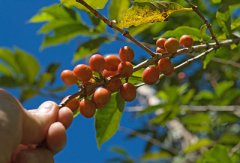
Introduction to Fine Coffee Bean Manor-- Martinique Coffee from Martinique Coffee
Martinique is a small island and the birthplace of coffee in Central America, but it produces very little coffee today. The first coffee tree in the Western Hemisphere was brought from France by Gabriel Mathieu de Clieu in the early 1820s. In his early years, Dirkley was a naval officer in Martinique. He brought back a coffee tree and planted it in Pritchell.

Guadeloupe Coffee disappears Bonifield Coffee Origin
Professional baristas Please follow the Coffee Workshop (Wechat official account cafe_style) good coffee production in Guadeloupe has been affected by natural disasters these islands in the Caribbean used to be important coffee producers. In 1789, more than 1 million coffee trees on 500 hectares of land produced 4000 tons. Today, only 150 hectares of land is used to grow coffee. The origin of this decline

Basic knowledge of boutique coffee Martinique coffee
Martinique is a small island and the birthplace of coffee in Central America, but it produces very little coffee today. The first coffee tree in the Western Hemisphere was brought from France by GabrielMathieudeClieu in the early 1820s. In his early years as a naval officer in Martinique, Dirkley brought back a coffee tree and planted it in Prech
Boutique coffee beans recommend Guadeloupe coffee
Good coffee production has been affected by natural disasters this group of islands in the Caribbean used to be an important producer of coffee. In 1789, more than 1 million coffee trees on 500 hectares of land produced 4000 tons. Today, only 150 hectares of land is used to grow coffee. This decline can be attributed to the increase in sugar cane and banana production and Hurricane Hurricane Ines in 1996.

Martinique Coffee the characteristics and market of Martinique coffee
Martinique is a small island and the birthplace of coffee in Central America, but it produces very little coffee today. The first coffee tree in the Western Hemisphere was brought from France by GabrielMathieudeClieu in the early 1820s. In his early years as a naval officer in Martinique, Dirkley brought back a coffee tree and planted it in Prech

Global Coffee Producing Region-Martinique Martinique Coffee Market
Martinique is a small island and the birthplace of Central American coffee, but today it produces very little coffee. The first coffee trees in the Western Hemisphere were brought from France by Gabriel Mathieu de Clieu in the early 1720s. Deckley, an early naval officer in Martinique, brought home a coffee tree and planted it in Prech.
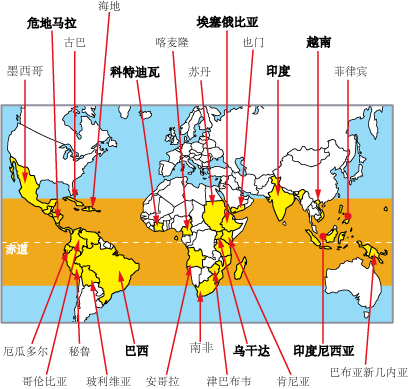
Coffee producing area worldwide 53 coffee producing area Guadeloupe Guadeloupe
Guadeloupe's good coffee production has been affected by natural disasters. The Caribbean islands used to be important producers of coffee. In 1789, more than 1 million coffee trees on 500 hectares of land produced 4000 tons, but today, only 150 hectares of land is used to grow coffee. This decline can be attributed to the increase in sugar cane and banana production and Hurricane Hu in 1996.

Introduction of Guadeloupe Coffee beans from Caribbean Coffee producing area
Guadeloupe used to be the best producer of coffee, but now it is no longer exported. Bonifieur is rated as the best quality coffee in the region, an once-proud name in coffee history. Good coffee production has been affected by natural disasters. The Caribbean islands used to be important coffee producers. In 1789, 500 hectares of soil
Learn how to store coffee beans
Freshly roasted coffee beans release hundreds of chemicals, which take a day or two to dissipate to achieve optimal taste. Today, many high-quality roasters package coffee beans in sealed bags with one-way valves to allow the release of gases so that the beans are not stored in gases that are damaging to them. This packaging helps keep coffee
Basic knowledge of coffee beans packaging and storage
Freshly roasted coffee beans release hundreds of chemicals, which take a day or two to dissipate to achieve optimal taste. Today, many high-quality roasters package coffee beans in sealed bags with one-way valves to allow the release of gases so that the beans are not stored in gases that are damaging to them. This packaging helps keep coffee

The packaging and preservation of coffee beans
Freshly roasted coffee beans release hundreds of chemicals, which take a day or two to dissipate to achieve optimal taste. Today, many high-quality roasters package coffee beans in sealed bags with one-way valves to allow the release of gases so that the beans are not stored in gases that are damaging to them. This packaging helps keep coffee
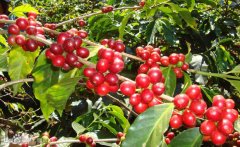
Guadeloupe used to be the best coffee producer and used to be a coffee mecca.
Good coffee production has been affected by natural disasters this group of islands in the Caribbean used to be an important producer of coffee. In 1789, more than 1 million coffee trees on 500 hectares of land produced 4000 tons. Today, only 150 hectares of land is used to grow coffee. This decline can be attributed to the increase in sugar cane and banana production and Hurricane HurricaneInes in 1996.
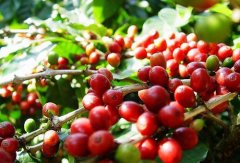
Guadeloupe Coffee Good coffee production affected by natural disasters
Good coffee production is affected by natural disasters This group of islands in the Caribbean used to be an important source of coffee. In 1789, more than 1 million coffee trees on 500 hectares produced 4000 tons, while today only 150 hectares are used for coffee cultivation. This decline can be attributed to increased sugar cane and banana production and Hurricane Ines in 1996.
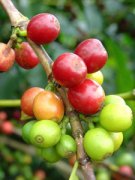
Coffee cultivation is an important coffee growing area in the Caribbean.
Good coffee production has been affected by natural disasters this group of islands in the Caribbean used to be an important producer of coffee. In 1789, more than 1 million coffee trees on 500 hectares of land produced 4000 tons. Today, only 150 hectares of land is used to grow coffee. This decline can be attributed to the increase in sugar cane and banana production and Hurricane HurricaneInes in 1996.

History of fine coffee beans in Martinique, the birthplace of coffee beans in Central America
For professional baristas, follow the coffee workshop (Wechat official account cafe_style) Martinique, the cradle of American coffee. Martinique is a small island and the birthplace of Central American coffee, but it produces very little coffee today. The first coffee tree in the Western Hemisphere was created by Gabriel Mathieu de Clieu in the early 1820s.
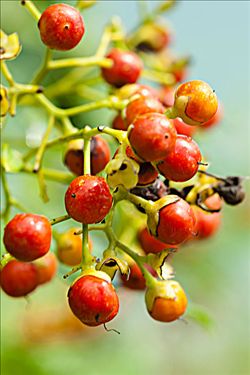
Martinique coffee beans witness the whole process of coffee from survival to extinction
Martinique, the cradle of American coffee Martinique is a small island and the birthplace of Central American coffee, but today it produces very little coffee. The first coffee trees in the Western Hemisphere were brought from France by Gabriel Mathieu de Clieu in the early 1720s. Deckley was an early Martinique naval officer, and he brought home
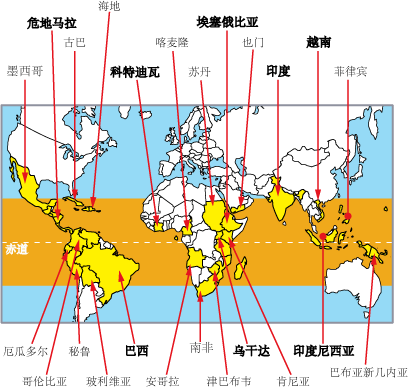
There are 53 coffee producing areas in the world. Martinique Island Coffee.
Martinique, the cradle of American coffee, Martinique is a small island and the birthplace of Central American coffee, but it produces very little coffee today. The first coffee tree in the Western Hemisphere was brought from France by Gabriel Mathieu de Clieu in the early 1820s. In his early years, Dirkley was a naval officer in Martinique.
The flavor of Martinique Coffee Plantation Island Coffee beans
Martinique, the cradle of American coffee, Martinique is a small island and the birthplace of Central American coffee, but it produces very little coffee today. The first coffee tree in the Western Hemisphere was brought from France by Gabriel Mathieu de Clieu in the early 1820s. In his early years, Dirkley was a naval officer in Martinique, and he brought back
Global coffee production-Tinker Island
Martinique is a small island and the birthplace of Central American coffee, but today it produces very little coffee. The first coffee trees in the Western Hemisphere were brought from France by Gabriel Mathieu de Clieu in the early 1720s. Deckley, an early naval officer in Martinique, brought home a coffee tree and planted it in Prech.